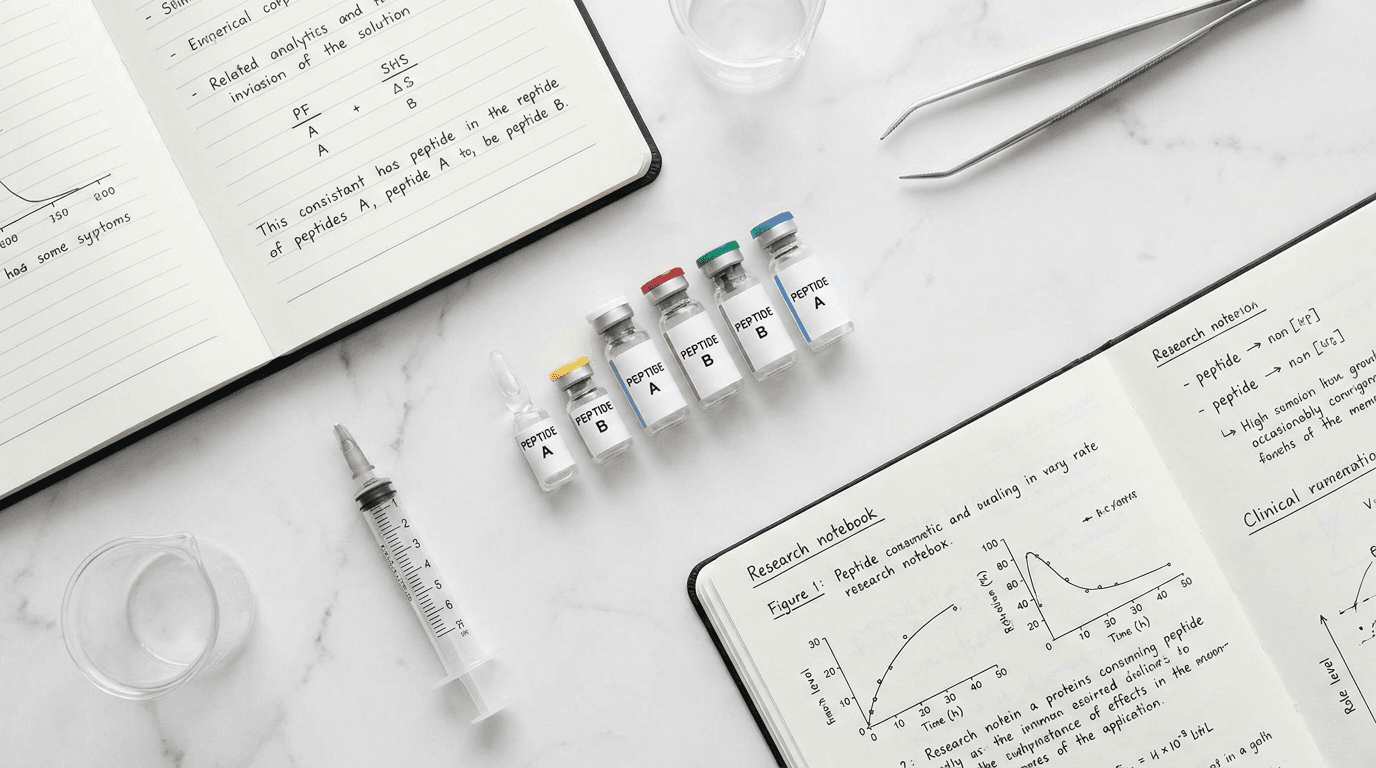
AOD 9604: What It Is and What Research Shows
AOD 9604 is a synthetic peptide fragment derived from human growth hormone (HGH). Specifically, it corresponds to amino acids 176 to 191 of the HGH sequence, which is why it is sometimes called HGH Fragment 176-191. It was developed with a specific purpose: to isolate the lipolytic (fat-burning) properties of HGH without the growth-promoting and blood sugar effects that make full HGH a more complex research subject.
How AOD 9604 Works
Full HGH stimulates fat breakdown (lipolysis) through one set of pathways while promoting muscle and bone growth through others. Researchers identified that the C-terminal fragment of HGH appeared to be responsible for much of the lipolytic activity. AOD 9604 is a stabilized version of this fragment, designed to retain that activity.
Unlike full HGH, AOD 9604 does not significantly bind to the IGF-1 receptor, which is responsible for the growth-promoting effects of HGH. It also does not appear to significantly affect insulin sensitivity or blood glucose at research doses. This selectivity makes it a cleaner model for studying fat metabolism specifically.
What the Research Shows
A series of studies conducted primarily in the 1990s and 2000s at Monash University established the basic pharmacological profile of AOD 9604. Animal studies showed significant reductions in body fat in obese mice, with effects comparable in some models to full HGH at the same dose for fat loss, but without the growth effects. The compound was also shown to stimulate lipolysis in fat cell cultures directly.
Human clinical trials were conducted under the code name Metabolic Pharmaceuticals. In trials involving participants with obesity, AOD 9604 showed modest but measurable effects on body fat, particularly in the early phases of higher-dose trials. A Phase 2b trial showed results that were encouraging enough to move toward Phase 3, though the compound did not proceed through to regulatory approval for weight management.
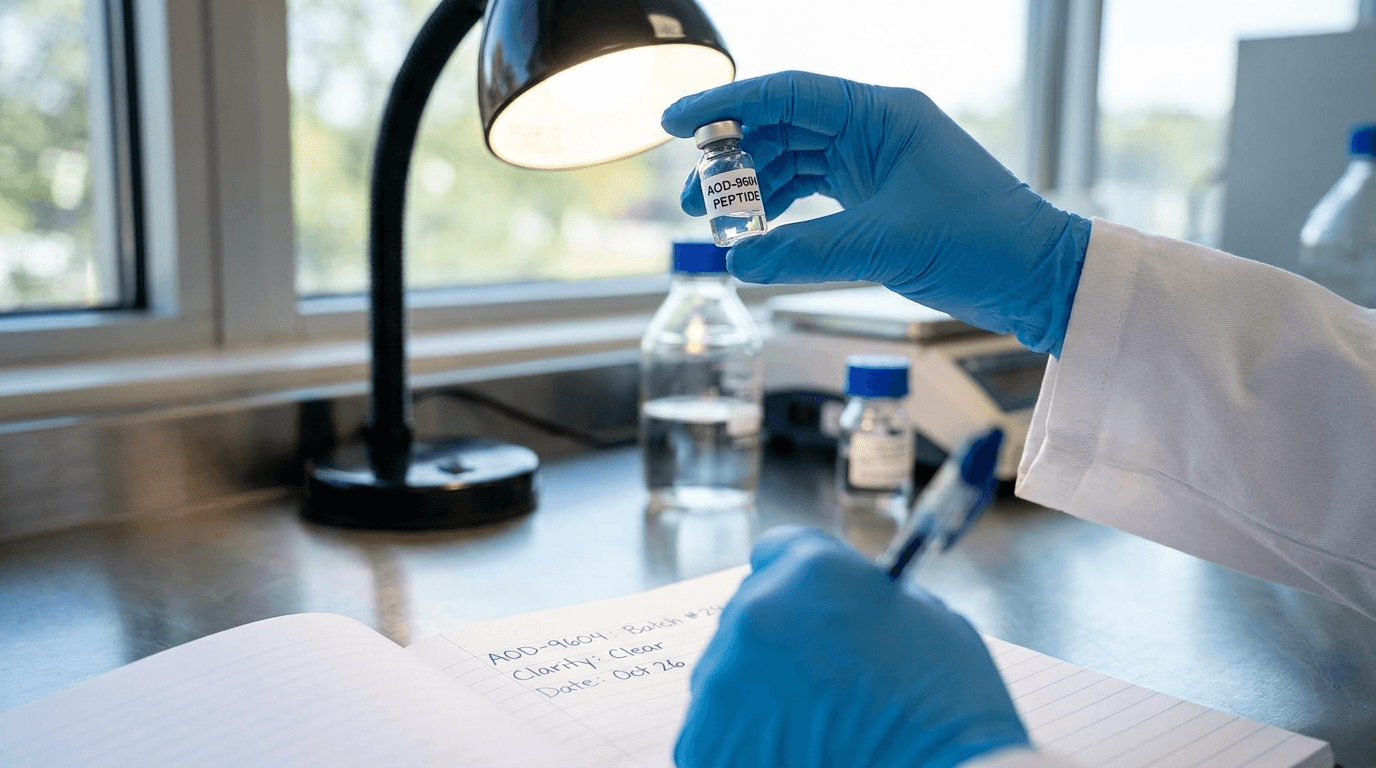
AOD 9604 and Joint Research
Beyond fat metabolism, AOD 9604 has been studied for its effects on cartilage and joint tissue. Research has examined whether it promotes cartilage regeneration and may have applications in osteoarthritis models. Australian regulatory body TGA granted AOD 9604 GRAS (generally recognized as safe) status based on clinical data. Some researchers have studied it for musculoskeletal applications based on this data.
Side Effects Documented in Research
In human trials, AOD 9604 showed a favorable tolerability profile. The most commonly reported adverse events were mild injection site reactions. Unlike full HGH, the compound did not produce the joint pain, water retention, or blood sugar changes that characterize HGH use in research. This is consistent with its selectivity for lipolytic pathways over growth and metabolic pathways.
Where AOD 9604 Fits in Fat Loss Research
AOD 9604 occupies a distinct niche: it is a fat-metabolism-focused compound with a mechanism completely different from GLP-1 peptides. While GLP-1 compounds like retatrutide reduce intake and increase energy expenditure through appetite and metabolic pathways, AOD 9604 acts at the cellular level to directly stimulate fat breakdown. Some research protocols study both types of mechanisms in parallel.
Werner Science carries research-grade AOD 9604. Browse their catalog at wernerscience.com/?ref=bwmucbwp and use code SAVE10 for a discount on your research order.
Research-Grade Peptides from a Verified Supplier
Werner Science provides high-purity research peptides with third-party testing and fast shipping. Trusted by researchers worldwide.
Browse Werner Science →Get the Free Peptide Handbook
15+ research compounds explained in plain English. Delivered instantly to your inbox.
No spam. Unsubscribe anytime.
Related Articles
All content on this site is for educational and informational purposes only and does not constitute medical advice. Consult a qualified healthcare professional before making any health decisions.