
BPC-157: What It Is and What the Research Shows
BPC-157 (Body Protection Compound 157) is a synthetic peptide derived from a protein found in gastric juice. It has accumulated one of the more substantial bodies of research among healing peptides, primarily through animal studies, with early human data following. Here's what the research shows.
What Is BPC-157?
BPC-157 is a pentadecapeptide, a chain of fifteen amino acids, that was originally isolated from human gastric juice. The naturally occurring protein it derives from plays a role in protecting the stomach lining. The synthetic version studied in research is stable, meaning it does not degrade quickly, which makes it easier to study.
How Does BPC-157 Work?
BPC-157 appears to work through several mechanisms. It promotes angiogenesis (the formation of new blood vessels), which is important for tissue repair. It interacts with the nitric oxide system, which plays a role in blood flow and inflammation. It also influences growth hormone receptors, which may contribute to its observed effects on tendon and muscle tissue. The multi-pathway nature of its activity is part of what makes it an active area of research.
BPC-157 and Gut Health
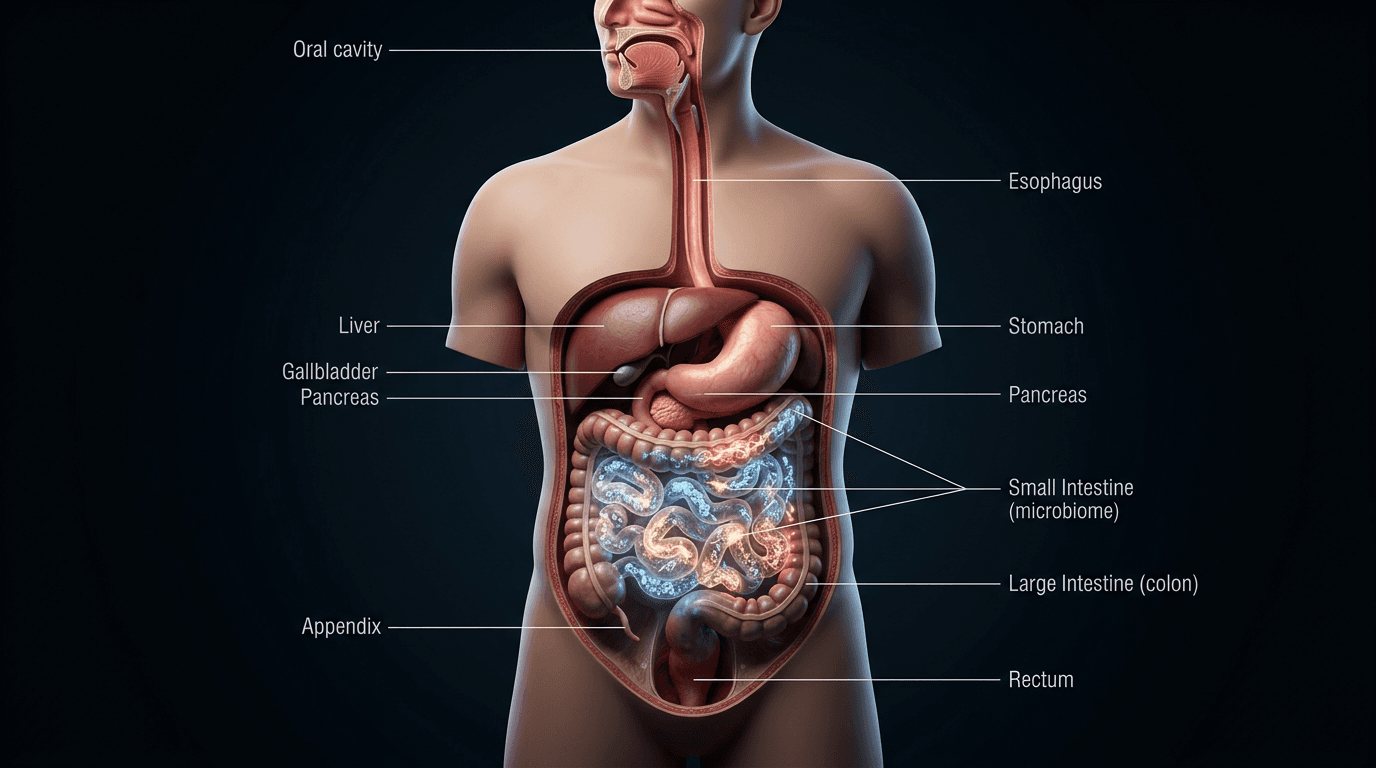
The gut health application is where BPC-157 has the most research behind it, given its origin as a gastric compound. Animal studies have shown BPC-157 to accelerate healing of stomach ulcers, protect the intestinal lining from damage, and reduce inflammation in the gut. Researchers have studied it in models of inflammatory bowel conditions, fistulas, and chemotherapy-induced gut damage. Human trials in this area are limited but ongoing.
BPC-157 for Recovery and Healing
Outside of gut health, BPC-157 has been extensively studied in animal models for its effects on tendon, ligament, muscle, and bone repair. Studies have shown accelerated healing of Achilles tendon injuries, improved recovery of muscle tissue after crush injuries, and reduced healing time for bone fractures in animal models. The translation of these findings to humans is the subject of ongoing research. The compound's ability to promote new blood vessel growth is considered central to these healing effects.
What Does the Research Show?
The research base for BPC-157 is substantial at the animal level, with hundreds of published studies across a range of injury and disease models. Human clinical trial data is more limited. The compound has not received regulatory approval for any indication in major markets. Researchers studying it note that the animal data is unusually consistent across different labs and models, which is often considered a positive signal when evaluating preclinical research. The lack of human trial data remains the primary gap.
BPC-157 Side Effects: What Research Has Documented
In the animal studies that form the bulk of BPC-157 research, serious adverse effects have not been commonly reported. The compound appears to have a favorable safety profile in preclinical data. Because large-scale human trials have not been completed, the full human side effect profile is not yet established. This is an important caveat for anyone reviewing the research.
Where Researchers Source BPC-157
For research-grade BPC-157, Werner Science is a verified supplier carrying high-purity compounds. Browse their catalog at wernerscience.com/?ref=bwmucbwp
Research-Grade Peptides from a Verified Supplier
Werner Science provides high-purity research peptides with third-party testing and fast shipping. Trusted by researchers worldwide.
Browse Werner Science →Get the Free Peptide Handbook
15+ research compounds explained in plain English. Delivered instantly to your inbox.
No spam. Unsubscribe anytime.
Related Articles
All content on this site is for educational and informational purposes only and does not constitute medical advice. Consult a qualified healthcare professional before making any health decisions.